
The People Who Need Rest the Most Rarely Look Like They Do
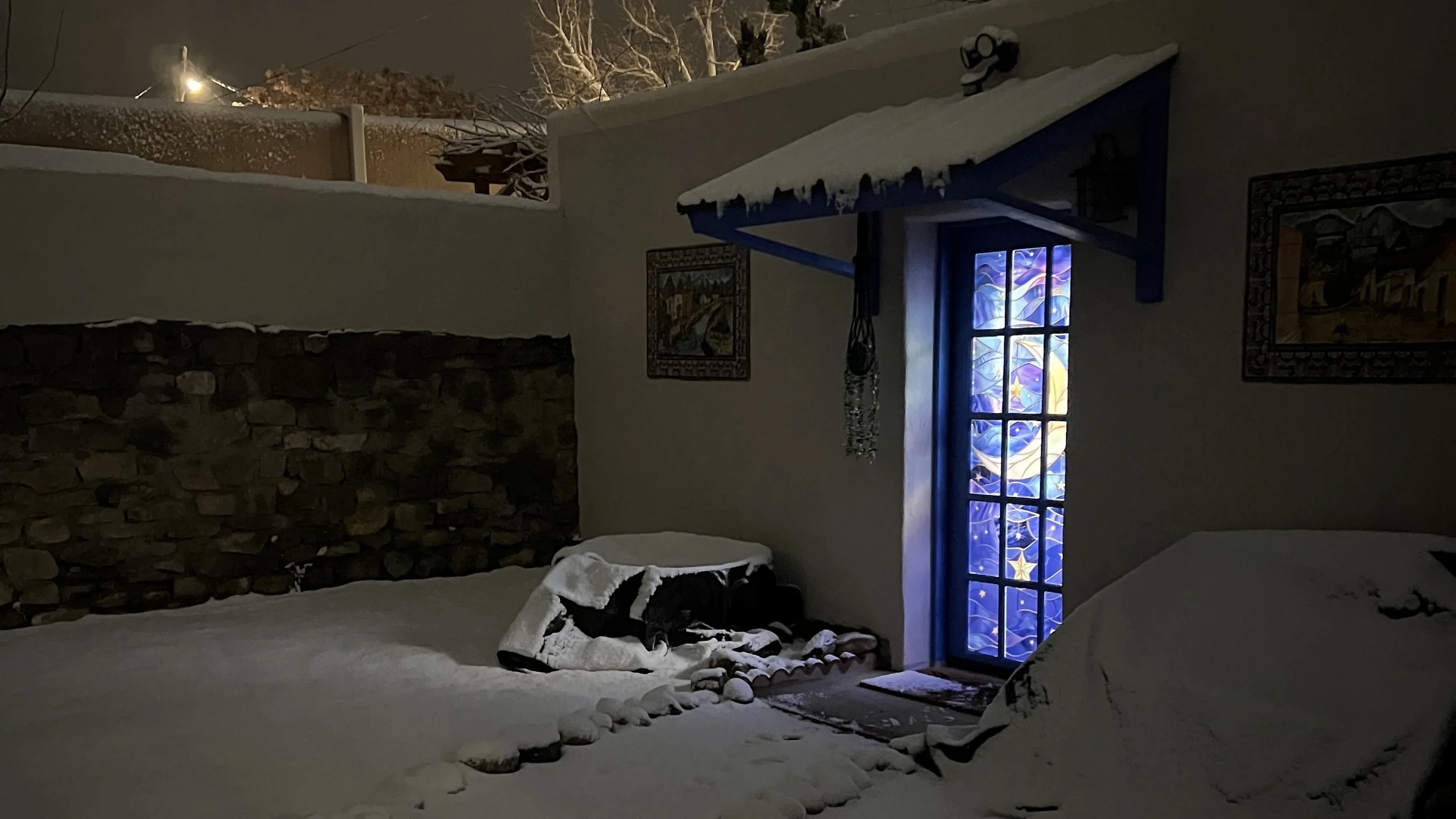
“Some forms of exhaustion are invisible. They live behind steadiness.”
TL;DR – The Heart of It:
The people who need rest the most often look composed, capable, and fine on the outside, even while their nervous systems stay quietly braced.
Functioning is not the same as being well. Long-term self-regulation and emotional containment can lead to exhaustion without obvious burnout.
Real rest is not collapse. It is regulation. It begins when the body feels safe enough to soften, not when something finally breaks.
There are people who move through the world looking completely fine. They show up on time, return messages, keep their homes in order, and hold conversations without spilling everything they are carrying. They are often the ones others rely on, the ones who seem steady when things get complicated. From the outside, there is no obvious sign that anything is wrong. And yet, their bodies tell a quieter story. This is something I see often in my work with people seeking trauma-informed massage in Santa Fe, especially those who appear capable and composed.
This kind of exhaustion does not announce itself the way burnout usually does. There is no dramatic collapse, no obvious unraveling, no clear moment where everything stops working. Instead, it settles in slowly. It lives underneath competence. It hides behind calm voices and capable hands. It looks like functioning, until one day it starts to feel like you are living at a lower volume than you remember. Life continues, but it feels slightly muted, as if something essential has been turned down rather than turned off.
We tend to recognize exhaustion only when it becomes undeniable. Missed deadlines, emotional outbursts, the inability to get out of bed. Those are the signs we have learned to take seriously. But there is another kind of depletion that never quite crosses that line. It shows up as low-level tension that never fully leaves, sleep that never quite restores you, and a nervous system that stays subtly alert even during moments meant for rest, often mistaken for a personal failing rather than a nervous system response. It is easy to overlook because it does not disrupt anything on the surface.
Many of the people who experience this do not think of themselves as burned out. They say things like, “I’m okay,” or “I’m just tired,” or “This is normal.” And in a way, it is normal, at least culturally. We live in a world that quietly rewards endurance and composure, especially in people who appear capable. The ability to hold things together without complaint is often treated as maturity or strength. Over time, that praise can blur the line between what is sustainable and what is simply familiar.
The paradox is that the more capable someone is, the easier it is for their exhaustion to go unnoticed, including by themselves. When you can still function, it is easy to assume rest is not urgent, that it can wait, that other people need it more. But rest is not only about recovering from collapse. It is also about what happens when the body is never given a reason to truly soften, when the nervous system stays in a state of quiet vigilance for so long that tension begins to feel like home.
Who are the ones who don’t look like they need rest?
They are often the most reliable people in the room. The ones who follow through, remember details, and manage complexity without much complaint. People lean on them because they seem steady, capable, and emotionally contained. They are trusted precisely because they do not appear easily overwhelmed.
These are people who know how to hold themselves together. They have learned how to stay composed in situations that would overwhelm others. They can feel a lot without showing much. They keep moving even when something inside them is tired, sad, or overstimulated. For many, this did not begin as a personality trait. It began as adaptation. At some point, being calm, competent, or self-sufficient became the safest way to move through the world.
You often find them in roles where holding space is expected. Leaders, caregivers, creatives, therapists, managers, parents, partners who are emotionally attuned. People who notice what others need before it is spoken and quietly make room for it. They are praised for this strength, often repeatedly, until it becomes part of how they see themselves. Over time, those compliments turn into identity. “You’re so strong.” “You handle things so well.” “I don’t know how you do it.”
Identities like these are hard to rest inside of. For people who carry them, rest can feel strangely uncomfortable, even undeserved. There is often an unspoken belief that rest is something you earn after visible effort or obvious struggle. If you are still functioning, still producing, still helping, then what exactly are you resting from? This is where quiet burnout lives, not in chaos, but in constant self-regulation and the ongoing effort it takes to remain measured, thoughtful, and available, a form of emotional armor that keeps you functional even when no one is explicitly asking you to be.
What often goes unnamed is the internal cost of this steadiness. Staying composed requires attention. Staying emotionally contained requires monitoring. Over time, the body learns to stay slightly braced, just in case something needs managing. That vigilance can feel responsible, even virtuous, but it still draws from the same limited reserves.
Functioning is not the same as being well
Most of us are taught to measure wellness by output. Can you get through the day? Can you meet expectations? Can you show up, respond, perform, and hold it together? If the answer is yes, we assume we are fine. But functioning is not the same thing as being regulated. This output-driven way of measuring wellness assumes the answer is more effort, when in reality many people need nervous system repatterning, not better performance.
Coping allows someone to keep going. Regulation allows the body to feel safe enough to soften. Those two states can look identical from the outside while feeling completely different on the inside. A regulated nervous system has range. It can engage and then settle. It can respond to stress and return to baseline. Coping, on the other hand, often relies on holding, holding breath, holding emotion, holding tension just enough to stay composed.
Many high-functioning people live in this coping state for years. They solve problems and manage responsibilities. They might even describe themselves as calm. But under that calm is often a nervous system that never fully stands down. Competence masks shallow breathing, jaw tension, shoulders that never quite drop, and a low hum of restlessness that fades into the background because it has always been there. This is the quiet terrain where nervous system healing in Santa Fe often begins, not from crisis, but from chronic holding.
This is how someone can look fine and still feel quietly depleted. The body is doing extra work just to maintain the appearance of being okay, and that work rarely gets acknowledged because it looks like success from the outside.

“You can be capable and still depleted.”
Why exhaustion doesn’t always look like burnout
We tend to imagine burnout as something loud. Someone hits a wall, stops functioning, falls apart. That version exists, but it is not the most common one for people who are emotionally contained and responsible. For them, exhaustion often takes a quieter path.
Instead of collapsing, the body adapts. This is slow depletion. The nervous system conserves energy just enough to keep life moving. It narrows its range and prioritizes efficiency over ease. On the surface, everything continues. Underneath, something gradually thins out. People describe this as feeling flat, not deeply depressed, but not fully alive either, a state that is easy to dismiss in a culture shaped by a “good vibes only” mindset. Emotions feel muted. Joy is brief. Anxiety is low-grade but constant, like background static you stop noticing because it never turns off.
Because nothing is visibly wrong, rest never feels urgent. And because rest is postponed, the nervous system learns to survive on tension. Low-level activation becomes baseline. Muscles stay slightly engaged, breathing stays shallow, attention stays partially outward, scanning and anticipating. Over time, this state stops registering as stress and starts feeling normal. The body becomes very good at surviving this way, but survival mode, even a quiet one, still has a cost. It limits range, narrows sensation, and quietly erodes the capacity for ease.
Why traditional relaxation doesn’t always land
Many people do all the right things when they start feeling worn down. They take time off, book massages, plan vacations, carve out quiet evenings. On paper, they are resting. And yet, something does not shift. They return from these experiences feeling temporarily lighter, but not truly restored. Sometimes they feel more tired, which can be confusing.
The missing piece is often safety. Stopping activity is not the same as the body feeling safe enough to let go. You can remove demands from your schedule and still have a nervous system that stays alert. You can lie still while your body remains braced. For high-functioning people, relaxation can become another task to complete. The mind slows down, but the body does not follow.
True rest is not just about stopping. It is about the nervous system finally getting the message that it can soften, not because everything is perfect, but because nothing needs managing in that moment. This is where therapeutic massage in Santa Fe can feel different when it is grounded in pacing, consent, and nervous system awareness rather than pressure alone.
Rest is not collapse, it’s regulation
For many people, rest is unconsciously associated with giving up, losing momentum, or falling behind. There is often a fear that if you truly let go, you will not be able to pull yourself back together. So rest stays controlled and shallow, just enough to keep going.
But rest is not about shutting down. It is about regulation. A regulated nervous system is flexible. It can engage when needed and settle when it is safe. When the body begins to soften, sensations surface that have been held at bay. A deeper breath. Heavier limbs. Emotion that does not need a story, only space. This is not unraveling. It is downshifting, a gradual return to a wider range of sensation and presence.
Over time, learning to regulate rather than brace allows effort and ease to coexist. You can remain capable without staying tense. You can stay present without staying on guard.

Do you have to be traumatized to need trauma-informed care?
No. Trauma-informed care is not about labeling or digging into the past. It is about how the body is approached in the present. Pacing, consent, choice, predictability. Many people benefit from this without identifying as traumatized at all, especially those who learned early how to stay composed, helpful, or self-sufficient. These patterns often form through repetition, not catastrophe.
Trauma-informed care creates an environment where the nervous system does not have to brace or surrender control in order to relax. It is respected. For many people, that respect is what finally allows rest to land.
The strength that learns to soften
There is a kind of strength that rarely gets named. It looks like composure, consistency, and presence. It looks like someone who does not need much. These are often the people no one worries about.
Learning to soften does not undo that strength. It allows it to stay alive. Softening is not weakness. It is what keeps resilience from becoming rigid. If any of this feels familiar, it is not because something is wrong with you. It is because your body has been strong for a very long time.
🌙 A quiet next step
If this resonated, it may be because your body recognizes itself in what was named here. The kind of exhaustion described in this piece often does not respond to pushing harder or trying to rest better on your own. It responds to being met slowly, respectfully, and without expectation.
Veluna Wellness is opening soon. Sessions are designed for people who hold a lot together on the outside while carrying more than they realize inside. If you would like to be notified when booking opens, you can join the waiting list below. There is no pressure and no commitment, just a way to stay connected as the space comes online.
Sometimes the first step toward real rest is simply letting yourself be on the list.
